
If you’ve scrolled through your favorite blog lately and noticed things feel a little different, you’re not imagining things. AI tools have started popping up just about everywhere, writing posts, generating headlines, and even coming up with ideas. Some bloggers and readers wonder if AI is killing blogging altogether, but the answer really depends on how you look at it. I want to walk you through what’s actually going on with AI in the blogging world, how bloggers are using it (or not), and what this means for anyone thinking about starting a blog—even if writing isn’t your thing.

Understanding the Buzz: Is AI Really Killing Blogging?
AI writing tools like ChatGPT, Jasper, and Claude have made it super easy to crank out content, sometimes in minutes. This rapid shift has left many wondering if real, human-created blogs are disappearing. The truth is blogging is definitely changing, but it’s not disappearing. What’s happening is more of a blend: some blogs are heavy on AI content, others stick to personal storytelling, and plenty mix both.
Readers still crave authenticity, fresh insights, and real-life stories. If anything, the flood of AI-generated posts has made genuine blogs feel more valuable. So, even with all the robots in the room, quality blogs that offer something personal or unique continue to attract loyal readers.
Can You Use AI for Blog Posts?
Absolutely, and tons of bloggers already do. AI can help you bust through writer’s block, brainstorm ideas, suggest catchy headlines, or flesh out posts. If you’re stuck halfway through a post, tools like ChatGPT can offer suggestions or draft an outline to get you moving again.
Many bloggers use AI to speed up repetitive tasks, like rewording sentences, checking grammar, and summarizing research. It’s pretty handy for finding keywords or checking out what’s popular in your niche. While AI can write entire posts, a lot of bloggers prefer to use it for smaller, less creative sections and save their own voice for the main story. This way, you get the best of both worlds: AI’s efficiency and your personal touch.
Over time, even those initially skeptical about AI have started to mix it into their workflow to crank out ideas faster or organize messy drafts. For bloggers juggling full-time jobs, families, or side hustles, these tools make it easy to maintain a consistent posting schedule and avoid burnout. While not everyone will rely on AI to write their posts, it has become a handy assistant for fixing up drafts, smoothing out awkward sections, and even generating attention-grabbing meta descriptions for SEO.
How Bloggers Actually Use AI Right Now
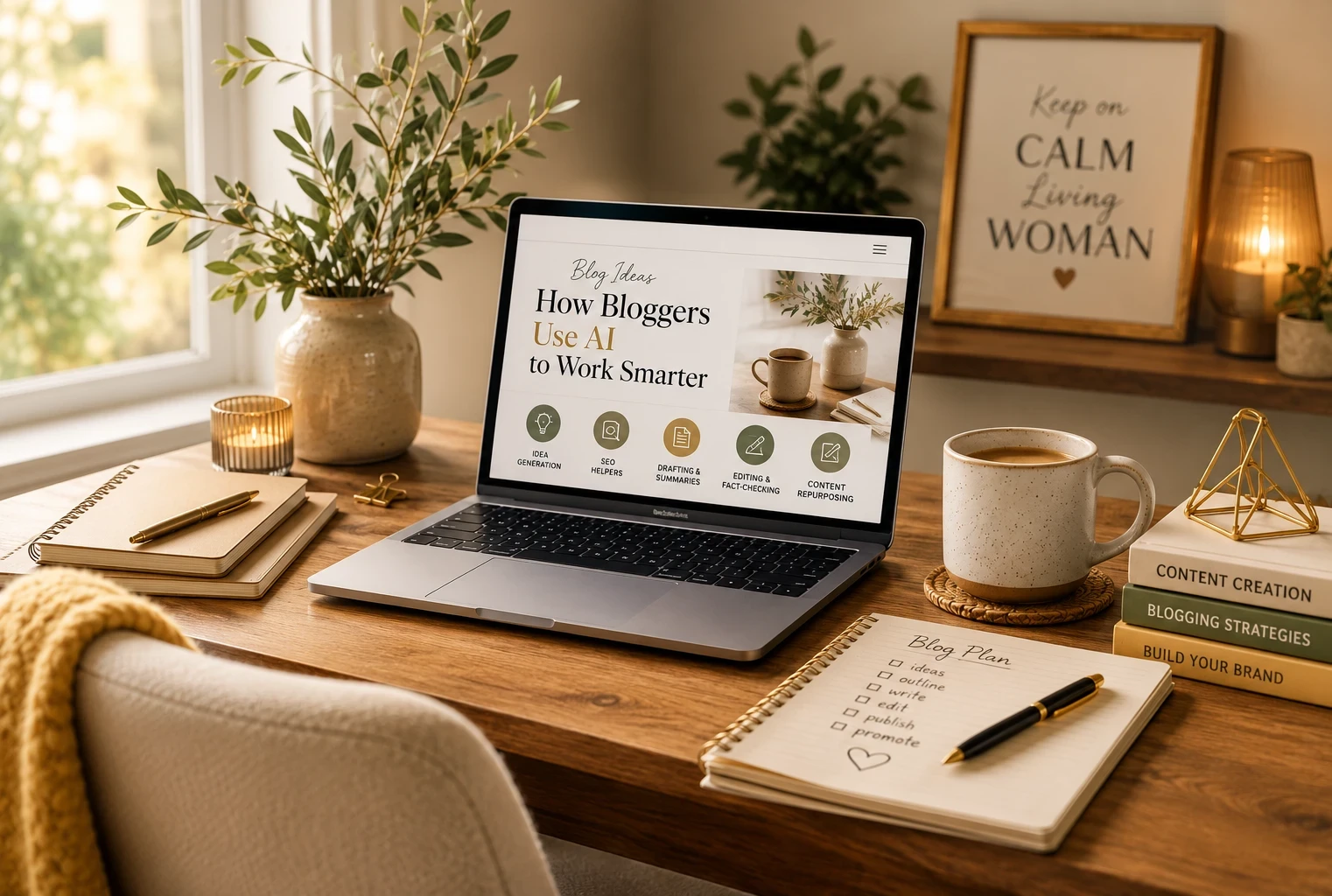
- Idea Generation: AI is great for pumping out titles, topic angles, or even entire post plans. I often use it as a brainstorming buddy when my brain feels foggy.
- SEO Helpers: Finding keywords, optimizing posts, and checking readability are all a breeze with software like Surfer SEO or SEMrush, many of which have AI smarts built in.
- Drafting and Summaries: AI drafts simple blog sections, such as FAQs or summaries, especially when you need to save time on the easy parts.
- Editing and Fact-Checking: Tools like Grammarly and Quillbot can catch typos and awkward sentences, while others quickly verify basic facts or suggest sources.
- Content Repurposing: AI can turn blogs into social posts or newsletters, and some platforms help chop up long pieces into tweets, pins, or LinkedIn updates.
Still, posts that really connect with readers are usually a mix of AI assistance and good old-fashioned human input. Readers spot the difference when every post sounds the same or lacks a real point of view, so blending the two is what most bloggers go for.
Some bloggers have even started using AI-generated images or graphics for their blogs, speeding up the design process. This opens the door for people who may not be great with visuals to still have eye-catching headers or unique illustrations accompanying their posts. Other bloggers work AI tools into their workflow for creating week-long content plans, letting algorithms suggest not just individual post ideas but an entire content calendar that fits their niche and audience interests.
Will Google Penalize AI Content?
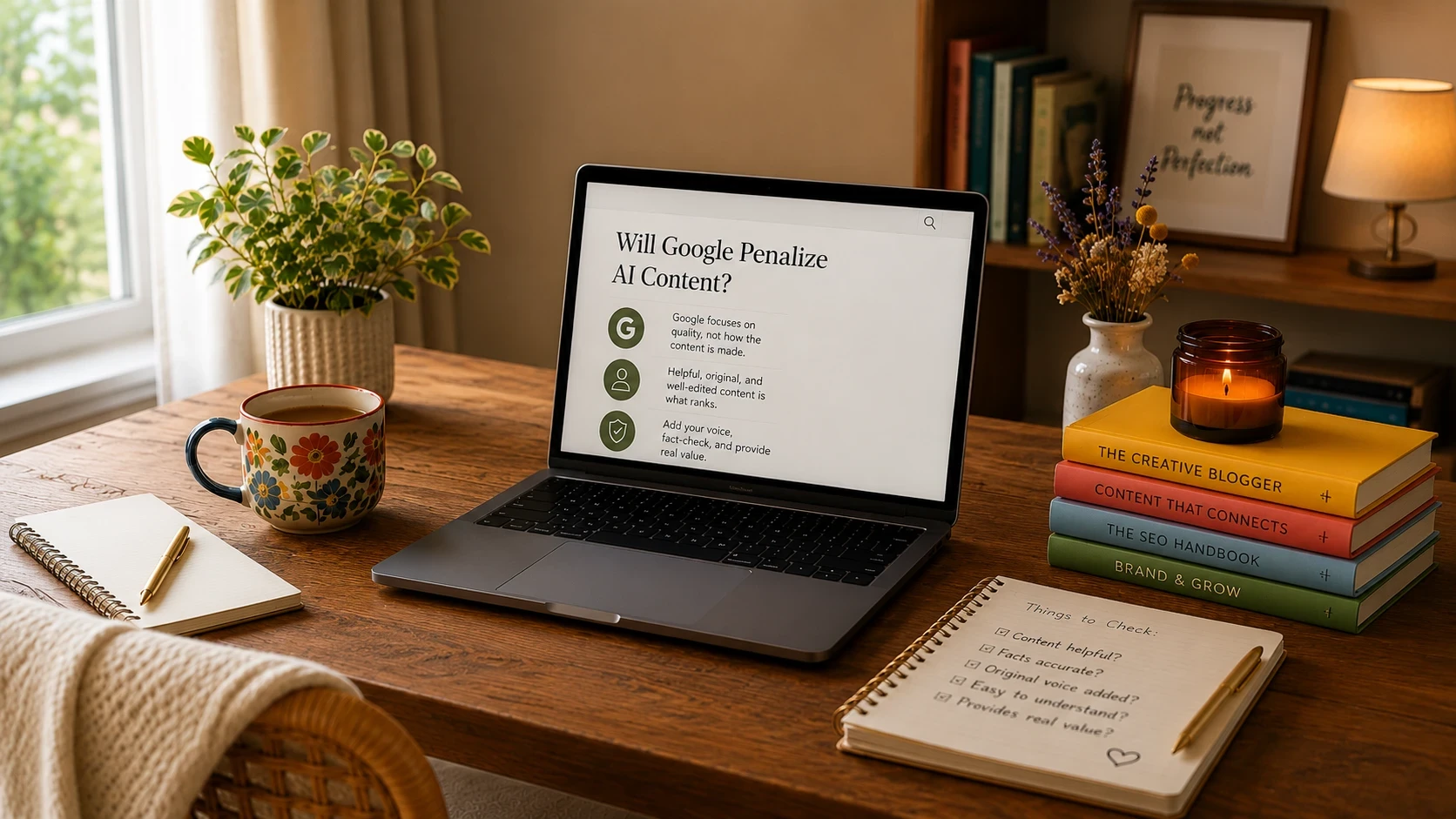
Google’s guidelines can be confusing. Right now, Google doesn’t care if something is made by AI or a human—it only cares if the content is high quality and helpful. That means if you copy-paste raw content straight from an AI and post it without editing, it might sound generic or thin and get buried in search results.
AI-generated content that’s been fact-checked, paired with personal experience, and edited for clarity isn’t likely to be penalized. The big red flag for Google is content that’s spammy, repetitive, or doesn’t offer anything of value. Basically, if a human would find your post boring or unhelpful, Google probably feels the same way.
If you use AI, do a quick check for accuracy, add your own style or personal stories, and make sure you’re providing something readers actually want to know. That’s what keeps content ranking high, and keeps Google happy.
It can help to step up your review process if you rely heavily on AI. For example, always read your post aloud before publishing to spot sentences that feel robotic or unnatural. Double-check stats and examples included by the AI, since it’s not always accurate. By giving your work a once-over and making it personal, you stand out and stay within Google’s guidelines. In fact, bloggers who pair AI efficiency with real human insight often benefit the most in both rankings and audience engagement.
Can You Start a Blog Without Being a Writer?
Tons of successful bloggers don’t think of themselves as “writers” at all. Blogging is less about perfect grammar and more about sharing ideas or stories in a way people relate to. If spelling errors or clunky phrasing hold you back, AI tools can clean things up or suggest rewrites, giving you the freedom to focus on your message.
Some of my favorite blogs are run by people who simply love to share tips, photos, or updates about their hobbies or daily life. You can record voice notes, use a phone camera for videostyle posts, or build listicles and how-to guides with a lot of images and just a little text. AI can help turn rough notes or outlines into finished posts; it’s like having a lowkey editor in your back pocket.
The most important thing is not how fancy your writing sounds, but how authentic your blog feels. So if you want to start a blog but worry about “not being a writer,” just get going. There are plenty of tools and formats to help you succeed. Even if your first few posts are rough, each one will help you get a feel for your voice over time.
Plus, you can grow a loyal audience simply by staying consistent and focusing on subjects you genuinely care about. AI can pick up some of the slack with spelling, formatting, or summarizing longer thoughts, so you can get your blog out there without sweating the small stuff. Remember, people appreciate sincerity and regular updates far more than flawless sentences.
Blogging Creatively When You Don’t Feel Creative
Every blogger gets stuck sometimes. You might think you’re just not creative, but a lot of creative blogging is about building habits and using resources, not coming up with big ideas on the spot. Some simple ways I keep things fresh include:
- Reacting to news or trends in my niche; sharing genuine opinions always sparks comments.
- Using AI to shuffle around post sections, suggest angles, or propose new headline ideas, especially when I’m out of steam.
- Revisiting old blog posts to see what updates or new insights I can add (people love updated content and so does Google).
- Creating “behind the scenes” posts or simple day-in-the-life entries, even small updates keep readers engaged.
AI can also generate writing prompts, suggest alternate introductions, or even propose sociamedia ready snippets. But no tool replaces the little bits of your real life or views that make your blog yours.
If you’re looking to mix things up, try inviting guest posters or doing collaborations with other bloggers. Even interviewing someone in your niche or reviewing products you actually use can breathe life into your content calendar. Don’t be afraid to experiment with multimedia posts—short audio clips, slideshows, or interactive polls can add flavor and keep longtime readers coming back for more.
Common Questions About AI and Blogging
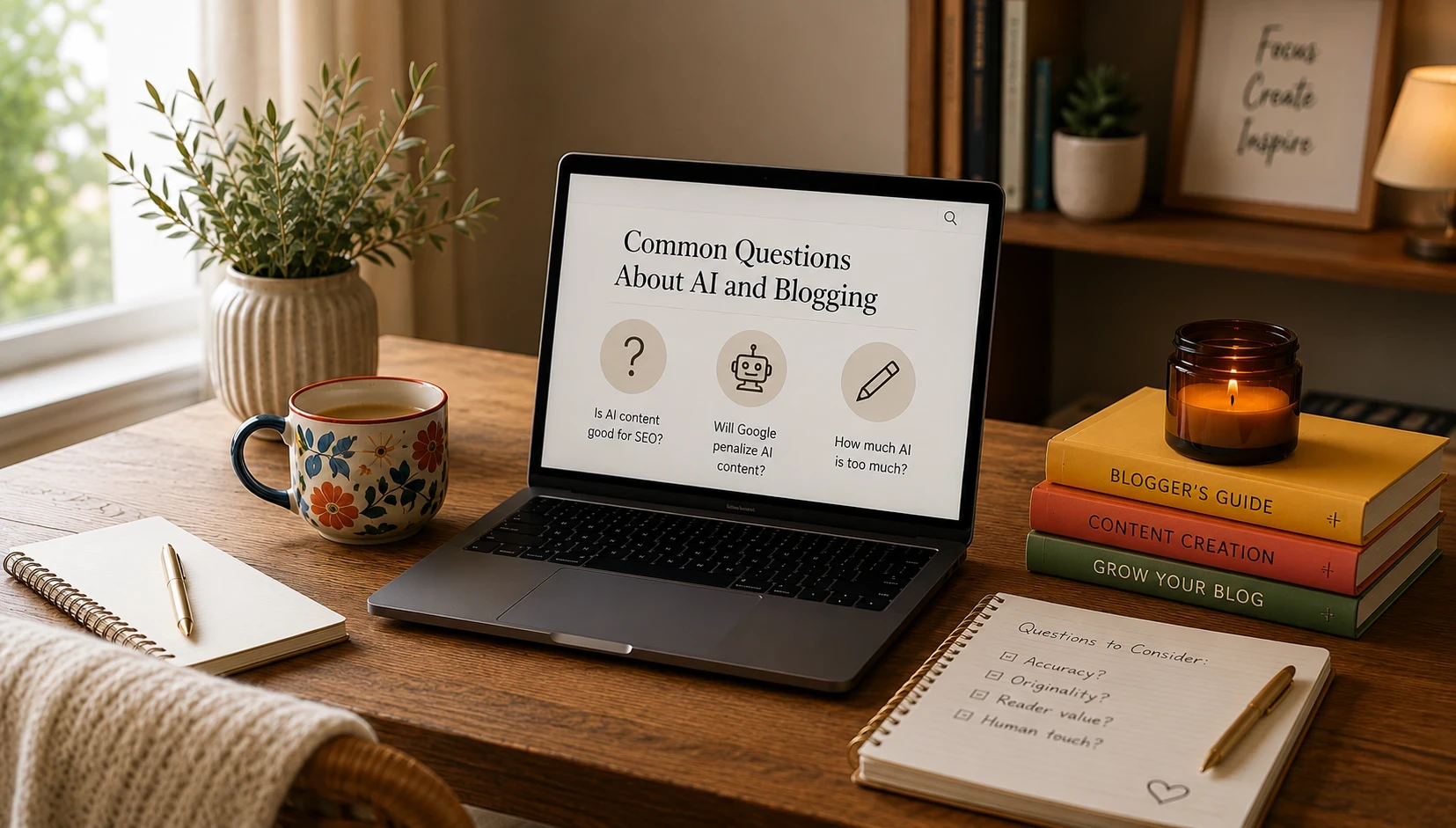
Q: Can I build an entire blog using only AI?
A: Technically, yes. But for lasting results, mixing AI with your own thoughts, research, and photos works better. Readers can tell when there’s no real person behind the posts.
Q: Will blogs “written” by AI fade away in search rankings?
A: Only if they’re low quality or generic. Google focuses on content being useful, accurate, and unique, not on the author. Adding depth and detail keeps your blog strong.
Q: How can I keep my blog feeling personal if I use AI tools?
A: Share personal stories, opinions, and hands-on experiences regularly. These can’t be faked by a machine. Even a bit of life mixed in makes a world of difference.
Q: What’s the best way for absolute beginners to start?
A: Use AI for drafts and outlines, clean them up with your own ideas, and focus on topics you care about. Share your mistakes and learning moments; readers love honesty.
Final Thoughts: The Real Impact of AI on Blogging
AI isn’t the end of blogging. The real-world impact looks more like a huge toolbox rather than a bulldozer. More people are getting into blogging because AI helps lower the barriers, speed things up, and take away some of the pressure. But the stuff that makes readers stick around, your voice, experiences, honest opinions, and personal photos, still has the most value.
If you’re thinking about starting a blog, go for it. Your first posts won’t be perfect, but with some help from AI and a bit of practice, you’ll develop a style that stands out. And as blogging grows alongside these new tools, there’s plenty of room for anyone to carve out their own little space on the internet. Who knows, some of the best new blogs may be the ones that blend just enough AI magic with real, relatable stories that readers can’t help but bookmark.
Where I Learned to Start Blogging
When I first started learning about blogging, affiliate marketing, and building websites, I had no idea where to begin. I wasn’t a tech expert, and I definitely wasn’t an influencer.
The training platform that helped me get started gave me step-by-step lessons, website-building tools, and a supportive community where I could ask questions and learn at my own pace.
Today, many of the tools and strategies I use to build blogs and online income streams came from what I learned there.
If you’re interested in learning how blogging, affiliate marketing, and online business work, you can create a free starter account and explore the training for yourself. No credit card is required to get started.