
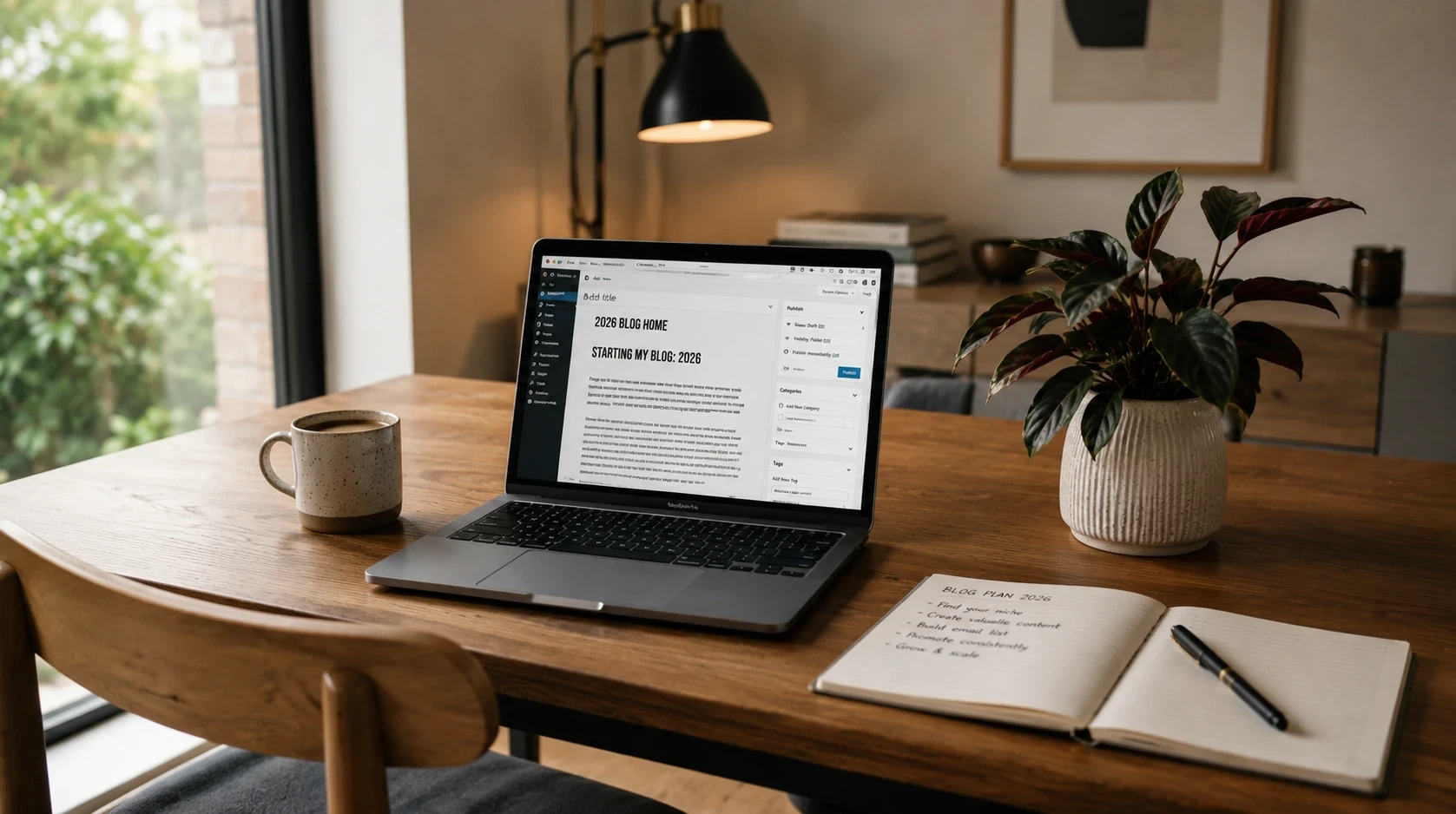
Starting a blog in 2026 feels more doable than ever, and you don’t need fancy skills or tech superpowers to get started. With platforms and tools getting smarter, I find the toughest part is usually figuring out what you want to say, or finding the confidence to just hit that publish button for the first time.
Blogging is pretty accessible these days. Whether you dream of making money online or just want to share stories, your options keep growing. I’ll walk you through the exact steps I recommend if you’re new in 2026, including picking a niche, setting up your site, and getting your very first readers. This guide digs into practical strategies and hands-on tips designed for complete beginners so you can start with confidence.
Step 1: Decide What to Blog About
Picking a topic is a huge first move. It’s a lot easier to write and grow your blog if you pick something that interests you, helps others, and isn’t jam-packed with competition.
How to Choose Your Niche:
- Personal Interests – What could you talk about for hours without getting bored?
- Life Experience – Have you solved a problem others struggle with (like paying off debt, managing anxiety, or building a tiny home)?
- Market Demand – Use tools like Google Trends, Reddit, or Answer the Public to see what people search for.
- Profit Potential – If you want to make money, check if businesses pay for ads or affiliate offers in your chosen topic.
Questions to Spark Ideas:
- What problems do people around you always ask for advice on?
- Are you learning a new skill and willing to document your adventure?
- Did you overcome a challenge that people relate to?
Choosing a niche you care about keeps you motivated and makes it easier to build a loyal audience. If you’re uncertain, start broad and narrow your focus as you get a feel for what excites both you and your readers.
Tip: Mix passion with practicality. For example, if you love vegan cooking and find lots of folks looking for meal prep shortcuts, focusing there helps you stand out while really serving a need.
Step 2: Set Up Your Blog (No Tech Whiz Needed)
The tech side of blogging used to trip me up, but things got way smoother in 2026. You don’t need to touch a line of code to get a beautiful website online today.
Platforms Worth Checking Out:
- WordPress.com and WordPress.org – Still the go-to for flexibility and longterm growth. (.com is easy; .org gives you more control but needs a bit of setup.)
- Wix, Squarespace, and Webflow – Draganddrop editors that make it quick to launch.
- Substack and Ghost – Great for newsletter style blogs if you’d rather keep things email focused.
How to Launch Your Blog (Quick Steps):
- Pick your platform.
- Claim a domain name (yourblog.com is easiest for branding). Most platforms help you buy one directly or connect domains you already own.
- Choose a website template or theme, since most options look modern out of the box in 2026.
- Customize your site with your name, logo, colors, and a friendly About page.
I usually spend an hour tweaking things and then move on. It’s easy to overthink visuals before you even start writing, so focus on launching first and adjusting over time as you learn what readers appreciate.
Pro Tip: If you get stuck choosing a layout, check out a few successful blogs in your niche and note what makes their homepages inviting and easy to use. Simplicity wins in 2026.
Where I Learned to Start Blogging
When I first started learning about blogging, affiliate marketing, and building websites, I had no idea where to begin. I wasn’t a tech expert, and I definitely wasn’t an influencer.
The training platform that helped me get started gave me step-by-step lessons, website-building tools, and a supportive community where I could ask questions and learn at my own pace.
Today, many of the tools and strategies I use to build blogs and online income streams came from what I learned there.
If you’re interested in learning how blogging, affiliate marketing, and online business work, you can create a free starter account and explore the training for yourself. No credit card is required to get started.
Step 3: Write and Publish Your First Posts
It’s normal to worry about getting your first articles “perfect,” but just getting those first posts out there gets momentum rolling.
What Should Your First Blog Posts Cover?
- Welcome post – Tell readers who you are and what this blog is about.
- Solve a problem – Write a beginnerfriendly guide to something common in your niche.
- Share a list – Top tools, favorite books, or useful resources always do well with new audiences.
Tips for Writing Online in 2026:
- Keep paragraphs short and use clear language.
- Add images, charts, or even AI generated visuals to break up your content.
- Use headings (like H2 and H3) to organize thoughts so questions can be answered quickly.
- Ask your readers questions at the end—getting your readers involved helps your blog stand out.
Aim to publish three to five posts in your first week. It helps your new blog feel established and gives Google a reason to start indexing your site, so people can actually find you. Writing a series (like “5 Days to Minimalism”) is another smart way to encourage repeat visits from the start.
If you’re still nervous, draft your first few articles offline or in private mode. Once you feel confident, publish all at once—making your blog look fully alive right from launch day.
Step 4: Customize and Improve Your Blog
Your site’s design matters, but it doesn’t have to be fancy or expensive. A simple, easy to read layout with some personality usually works best in 2026.
Core Pages to Add:
- About – Share your story, why you started the blog, and who the blog is for.
- Contact – List your email or use a simple contact form so people and brands can reach you.
- Privacy Policy – Even simple blogs need one these days, thanks to privacy laws. Most platforms have builtin templates.
Making Your Blog Look Great:
- Choose one or two brand colors and stick to them, since it keeps things tidy.
- Pick clear, easy to read fonts.
- Test how it looks on your phone—a huge chunk of readers browse blogs on mobile.
Modern blog platforms handle most of the tricky stuff. That way, you can focus on your content and personality, not on the tech checks.
Advanced Step: Add a simple logo to shine a light on your brand, and use a consistent image style in all your posts for a pro look. Free tools like Canva are awesome for whipping up quick, eye catching graphics.
Step 5: Promote Your Blog and Attract Readers
“If you build it, they will come” doesn’t work with blogging. A bit of self promotion goes a long way in 2026, and there are some pretty easy methods for new bloggers.
Practical Ways to Get Your First Visitors:
- Share on your social profiles. Even a small friend group can help get your blog going.
- Join niche forums, Facebook groups, or Discord channels where your audience hangs out, and genuinely participate.
- Comment on other blogs in your space. Real, thoughtful comments spark connections and encourage visits back to your own.
- Pair up for guest posts with other new bloggers. Trading posts is still a classic move.
Using SEO as a Beginner:
- Pick a clear focus for each post (what’s the main question or problem being solved?).
- Use natural keywords in titles, headings, and throughout your writing to help search engines understand your topics.
- Add links from your posts to each other when it makes sense, as it helps visitors stick around longer.
It takes a little time for your content to show up in Google, but the more answers and solutions you publish, the easier it gets. Focus on building authentic connections with real people—search engines are getting better at spotting quality and rewarding it with more visibility.
Extra Idea: Swap guest posts with someone in your field, or host a challenge for your readers to encourage shares and comments. Small interactive events set you apart from the crowds.
Step 6: Monetizing Your Blog in 2026
Blogging can be a fun side hustle or a full time gig in 2026 if you set it up that way. Monetization looks a bit different now, but there are still solid options.
Popular Income Streams for Bloggers:
- Affiliate Marketing – Earn commissions by recommending products or services using unique tracking links.
- Sponsor Content – Once you have steady traffic or a focused audience, companies may pay for sponsored reviews or tutorials.
- Digital Products – Ebooks, courses, printables, or presets (especially in creative or personal finance niches).
- Ads – Ad networks like Google AdSense or Mediavine, once you hit the required page views.
I always remind new bloggers that most income takes a few months (or longer) to appear, but consistent posting and smart traffic building really make a difference. Don’t chase every money making scheme in year one—steady, trustworthy growth always leads to more real income later.
If you’re thinking about blogging as a business, start gathering emails right away using simple signup forms and share a regular newsletter. Email lists keep you connected to your readers and can be powerful when launching products or promoting affiliate offers in the future.
Common Beginner Questions
How do I start a blog in 2026?
Pick a topic, choose a platform (like WordPress or Wix), register a domain name, publish your first post, and share it with friends and online communities. The process is faster than you’d think and helps to keep everything simple at first.
Is blogging still worth it in 2026?
Blogging is definitely still worth it. There’s always room for new voices, especially on specific topics or in under served communities. The big difference is that readers expect honest, useful advice or stories, not clickbait. Authenticity really shines through.
Can you start a blog with no experience?
Absolutely. Most platforms are userfriendly, and online guides or templates make setup easy. You don’t need tech skills; just curiosity, willingness to learn, and a desire to share.
How much does it cost to start a blog?
You can start for free on platforms like WordPress.com or Substack, but a custom domain (usually $10 to $20 each year) and basic hosting ($3 to $10 per month) make things look more pro. You don’t need to pay for extras until you feel ready.
How long does it take to make money blogging?
Most new bloggers see their first income within 6 to 12 months if they post regularly, choose smart topics, and promote their content. Growth can be faster or slower depending on your efforts and niche.
Can blogging be a side hustle?
Blogging fits nicely as a side hustle. You can write posts and answer comments when you have time, and build income streams that work for your schedule.
Do bloggers still make money?
Yes, bloggers still earn through ads, affiliates, sponsors, and their own products, as long as they focus on building helpful, interesting sites and attracting regular visitors.
What should I blog about?
Anything you know well, are curious about, or want to explore. Topics with ongoing questions, common problems, or passionate communities tend to do best. Think hobbies, personal adventures, career expertise, reviews, or tutorials.
How do I choose a blog niche?
Mix your interests with areas that people search for online. Research what’s already popular, but also look for spaces where people still have unanswered questions. Picking a small, focused area helps you stand out quicker.
Can introverts make money blogging?
Introverts often love blogging because it lets you share at your own pace, build connections over time, and control your platform. Success comes from helpful writing, consistency, and gradually finding your crowd.
Next Steps for Your Blogging Adventure
Anyone can start a blog in 2026 with honest insights, a bit of patience, and a simple launch plan. Focus on sharing what you know, making your site easy to read, and connecting with people in your niche.
Your Blogging To-Do List:
- Figure out your blogging topic and audience.
- Launch your site with a good platform and simple design.
- Write and share three to five helpful posts.
- Connect with likeminded folks online and bring in your first traffic.
Curious what to write about first or where to set up your blog? Drop your questions below—I’m happy to help with the nitty gritty and tricks I’ve picked up along the way. And remember: you don’t have to be perfect; you just have to start.