
Fitting hobbies into my routine has made a big difference in my mental wellness. Finding time for things I actually enjoy brings a steady boost to my mood and keeps stress in check. Whether it’s crafty projects, active sports, or just simple mindful moments, there’s a hobby out there with the potential to support a healthier mind.
Understanding the Link Between Hobbies and Mental Wellness
Having hobbies offers more than just something to pass the time. Regular time spent on an activity I find fun is an easy way to unwind and hit pause on the usual day-to-day chaos. Studies have shown that hobbies can lower anxiety, reduce risks of depression, and even boost my overall satisfaction with life. When my mind gets wrapped up in a favorite activity, there’s less mental space left for stress or negative thoughts. The Mental Health Foundation shares some great insights about this.
Research from around the world supports the idea that active engagement in leisure activities helps build resilience and gives me healthier coping skills when life gets complicated. Hobbies help me break out of the usual pattern of scrolling or worrying, and after a while, that really adds up.
Jumping into a new hobby can also foster a sense of accomplishment and belonging, especially if I join a group or club. These positive feelings can grow over time, leading to long-term improvements in my mood. Plus, hobbies sometimes teach patience when things don’t go as planned.
What Is the 5 Hobbies Rule?
The “5 hobbies rule” has gained some popularity online and for good reason. It offers a practical way to cover more areas of my life and mental wellness. The idea is simple: I try to pick five different hobbies, each targeting a unique benefit:
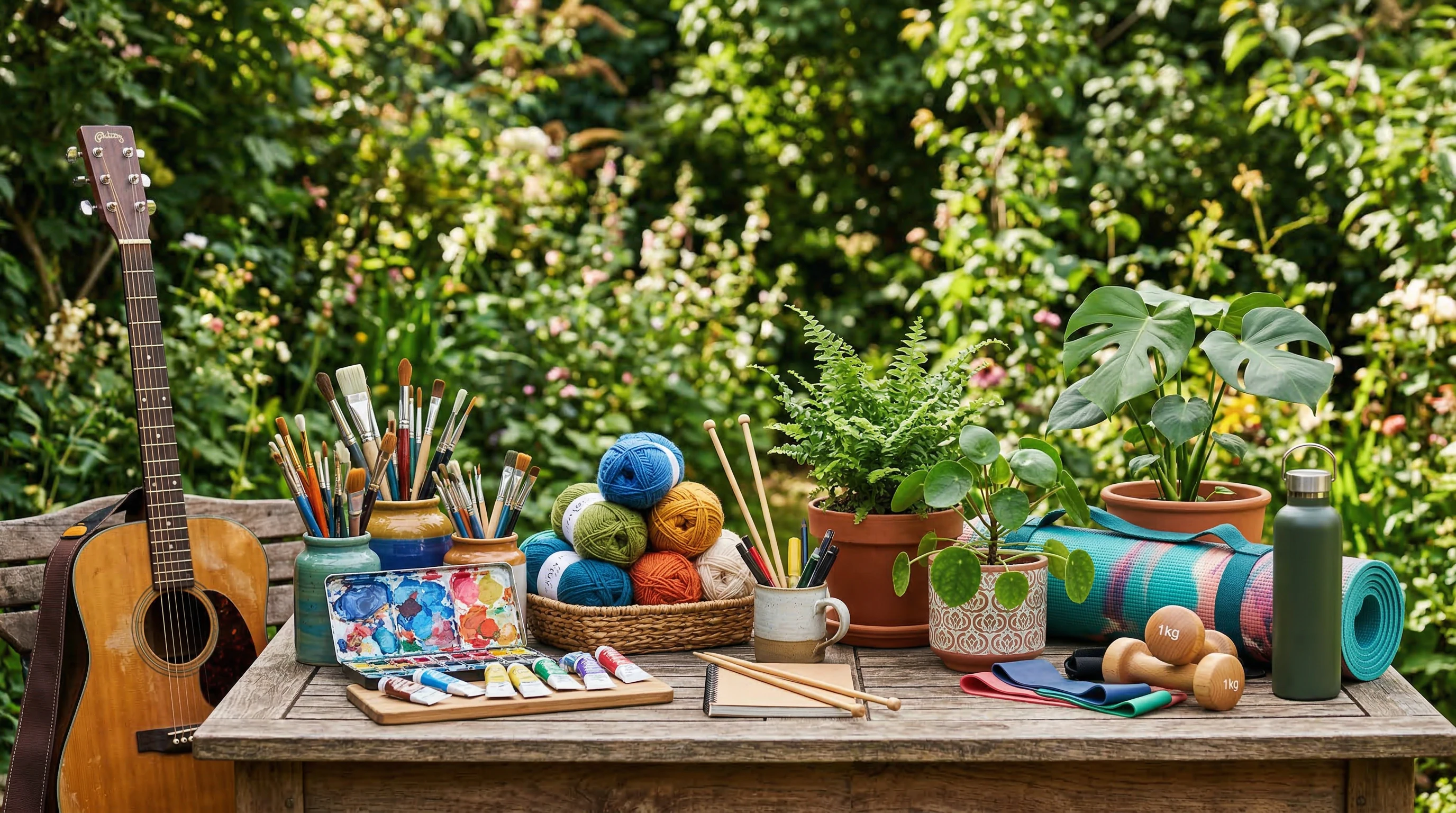
- One for creativity. Drawing, painting, or crafting help spark the creative side of my brain.
- One for physical health. Activities like swimming, walking, or cycling get my body moving and release feel-good endorphins.
- One to make money. Side gigs, small businesses, or investing make space for financial growth (even if it’s just a couple bucks at first).
- One to build knowledge. Reading, learning a language, or exploring new subjects keeps my mind active and curious.
- One to grow social connections. Joining clubs, group classes, or community projects lets me connect with other people beyond just work or family.
Splitting my focus like this makes it harder to put all my attention into only one area or get stuck in a rut. It’s not about perfection or even doing all five every week, it’s more about making life a little more balanced and interesting.
The rule works because it addresses different needs at once. Sometimes, a creative hobby provides calm after a busy day, while social activities offer new friendships and laughter. Keeping this balance has helped me avoid burnout and enjoy a wider range of experiences.
Best Hobbies for Boosting Mental Health
Some hobbies really stand out when I want to manage stress, improve my mood, or just take a break for my mind’s sake. Here are a few types that are pretty handy for supporting mental wellness:
- Creative arts: Drawing, coloring, painting, or even doodling helps me relax. I’m not worried about skill; just the act of creating calms racing thoughts.
- Gardening: Taking care of plants, even if it’s just on a windowsill, has a grounding effect. Watching things grow brings a real sense of accomplishment, and small victories (like a new leaf!) boost my mood.
- Music: Playing an instrument, singing, or just getting into new playlists gives my brain a quick break. Making or listening to music has been linked to lower anxiety and greater focus.
- Exercise based hobbies: Yoga, hiking, or group sports can do wonders for mental health. Movement reduces stress and helps me sleep better at night.
- Puzzles and games: Crosswords, brainteasers, or strategic board games keep my mind sharp and distract from stress. These are nice to share with friends or try solo.
- Mindfulness activities: Meditation, Tai Chi, and even mindful walking boost self-awareness while also helping with emotional balance.
Picking hobbies with the right mix of challenge and fun means they stay enjoyable instead of feeling like chores. For example, if I start feeling drowsy during a book or frustrated with a crossword, switching things up keeps hobbies feeling fresh and rewarding.
Some other options are journaling, crafting with friends, or photography. These hobbies let me express myself, create memories, and sometimes even connect with others who share my interests.
Healthiest Hobbies for Lasting Benefits
Not all hobbies are created equal when it comes to building long-term wellness. I find that the healthiest hobbies often fit one (or several) of these categories:
- Active Hobbies: Walking, biking, or recreational sports do more than just get me moving. They seriously help lower stress hormones and light up my mood.
- Nature Activities: Hiking, wild swimming, birdwatching, or stargazing get me outdoors. Studies have shown a boost in mood and lower anxiety after even a short visit to a green space.
- Social Hobbies: Joining a club, picking up group dancing, or volunteering keeps loneliness at bay and offers reliable support networks. Meeting people with similar interests makes socializing much less awkward.
- Skill building Hobbies: Cooking, woodworking, knitting, or growing a collection keeps my mind engaged with hands-on learning. Over time, I notice an uptick in confidence as I see how much I’ve improved.
- Mind body Hobbies: Yoga, Pilates, or deep breathing exercises bring an extra layer of relaxation and can help manage worry or distraction in everyday life.
- Learning focused Activities: Taking a class, learning new software, or practicing a language keeps things interesting mentally and even helps guard against cognitive decline down the line.
I try to look for hobbies that leave me feeling better—whether that’s more energized, more focused, or just a little calmer after I’m done. The best ones are usually the kind that feel less like a box to check and more like a treat or a small break.
Sticking with hobbies over time often means they start to shape my routine. For instance, a morning walk before work or a craft night every week turns into something I look forward to and depend on for mental relief.
Tips for Finding and Keeping Up with Hobbies
Starting a new hobby sometimes feels intimidating, but the process doesn’t have to be complicated. Here are a few things that help me stay on track and get the most benefit:
- Start small: Trying a hobby for just 10 minutes at first helps me decide if I actually like it without much pressure.
- Mix it up: Switching between a couple of hobbies keeps things from getting stale and makes me look forward to breaks or weekends.
- Let go of perfection: Skill and experience come with time; it’s perfectly okay to start out as a total beginner.
- Find community: Joining classes or online groups adds a sense of connection, which can be super important for both motivation and mental health.
- Keep it flexible: Some weeks I’m into baking, other times it’s sketching or jogging. Allowing for changes in interest means hobbies never feel like one more “task.”
Making a hobby list or tracking how often I do a favorite hobby helps me notice patterns. If one makes me happier, I bump it up in my schedule. If I fall out of the routine, there’s always room to come back.
It helps to ask friends and family for ideas or invite them to join. Sometimes, hobbies are more fun with company, and it’s easier to stick with something when there’s social encouragement.
Common Questions About Hobbies and Mental Health
Question: What if I don’t know what hobby to pick?
Answer: It’s totally normal! I look for inspiration by remembering activities I liked as a kid, browsing hobby lists online, or asking friends what they enjoy. Testing a few out with no pressure is usually the best way to stumble upon new favorites.
Question: Do I have to be good at my hobby for it to help my mental wellness?
Answer: Absolutely not. The positive effects come from the act itself, not skill or achievement. Enjoying the process and losing myself in something fun is what really matters most.
Question: How can I afford hobbies on a tight budget?
Answer: Plenty of hobbies are completely free or low cost. Examples like walking, writing, sketching, or joining a local library group don’t require pricey supplies. Borrowing or trading for equipment, or using community resources, is another smart workaround.
Bringing Hobbies Into Everyday Life
Adding even a little bit of hobby time to my week, whether it’s 30 minutes on the weekend or a few minutes after work, helps recharge my energy and boost mental wellness. Hobbies can be solo or social, relaxing or energizing—the important part is that they add something enjoyable to my routine. There’s no “wrong” hobby if it makes me smile and helps me manage stress. I’ve found that the more regularly I get involved in hobbies that fit my lifestyle, the better I feel; mentally, physically, and emotionally. Worth a try, right?