
If you’re feeling frazzled or burned out, you’re definitely not alone. So many women deal with overwhelm, whether from constant juggling at home, work stress, or just the pressure to keep up with everything that life throws your way. It’s pretty easy to get lost in it all, but the good news is there are calming techniques that can help you regulate your nervous system, steady your emotions, and bring a sense of grounding back into daily life. I’m going to walk you through strategies and small habits that actually work, especially for women who often find themselves overstretched.

Nervous System Regulation for Women
When overwhelm hits, it usually isn’t just in your head. Your nervous system is actually responding, and sometimes it goes into overdrive trying to protect you from stress. Before you start “fixing” your thoughts, it’s worth calming your body first. Calming your nervous system helps your mind get back to a steady place. This approach can really make a difference during moments of anxiety, panic, or when your mind just won’t stop spinning.
The autonomic nervous system runs behind the scenes—it’s the part of you that responds to stress by turning on “fight or flight,” even if there’s no real danger. Learning to switch to “rest and digest” mode helps your whole body settle. This is super important for women, since high stress levels can mess with hormones, sleep, and mood.
How to Calm Your Nervous System
Soothing your nervous system doesn’t have to be complicated. The key is to use physical techniques that send signals of safety to your body. Here are some simple options that tend to work well, no matter where you are in your day:
- Deep, Slow Breathing: Whenever things get too much, one of the easiest ways I steady myself is by slowing down my breath. Try inhaling through your nose for a count of four, holding for four, then exhaling gently for a count of six or eight. Longer out-breaths tell your body it’s safe to relax.
- Progressive Muscle Relaxation: Start at your toes and tense each muscle group for a few seconds, then release. Working your way up the body like this, focusing on each muscle, can bring a rush of calm.
- Cold Water Splash: Running cold water over your wrists or splashing your face can quickly calm racing thoughts. It’s almost like hitting the reset button for your whole body.
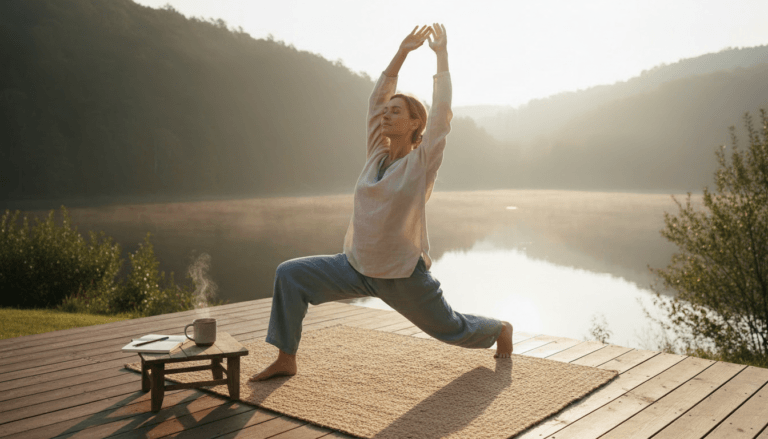
- Gentle Movement: Stretching, lowkey walking, or even some gentle yoga can help discharge nervous energy. I’ve noticed just moving my body helps anxiety simmer down.
The main idea is to get your body out of stress mode and back into a calm, steady place. For some women, even pausing to notice their breathing or feeling the floor under their feet is enough to start feeling better.

Calming Exercises for Anxiety
Anxiety creeps into life for all kinds of reasons. When it’s there, your thoughts and physical sensations can loop endlessly. Here are exercises I find really useful for calming the mind quickly when anxiety shows up:
- Box Breathing: Picture drawing a square in your mind. Inhale for four counts up the side, hold for four along the top, exhale for four down the other side, hold for four along the bottom, and repeat. People use this technique because it’s easy and works even in public.
- 5-4-3-2-1 Senses Exercise: Focus on your senses to get grounded. List five things you see, four you can touch, three you hear, two you smell, and one you can taste. This pulls your nervous system out of anxious thoughts and anchors you in the present moment.
- Guided Visualization: Sometimes I’ll close my eyes and picture a safe, peaceful place, maybe a quiet beach, a forest, or any spot that makes me feel good. The more vivid you make it, the more your body shifts into a relaxed state.
These calming exercises create space between you and those racing thoughts. Over time, your mind gets used to relaxing faster the moment you start these techniques.
Emotional Regulation Techniques
Emotions can easily tip from manageable to overwhelming, especially when stress piles up. Emotional regulation isn’t about shutting emotions down or ignoring them. It’s really about learning to move through them gently, so they don’t drown out your day.
Here are some calming techniques that I use to navigate tough feelings without getting stuck:
- Labeling Emotions: When you feel that wave of emotion, take a moment to name it. Whether it’s anger, sadness, or plain old stress, calling it out reduces the power it has over you.
- Opposite Action: If you feel the urge to hide away (which can be totally normal), try the opposite. Reach out to a friend or step outside. Acting “opposite” to the urge can break the grip of tough emotions.
- Journaling: Putting pen to paper helps me process what’s swirling in my mind. You don’t have to write essays—even jotting a few lines about what’s going on internally helps create perspective.
- Setting Boundaries: Sometimes overwhelm is a sign you’re stretched too thin. Learning to say “no” (or even “not right now”) supports your emotional well-being in a big way.
Giving yourself permission to feel what you feel, and supporting yourself through it, can be surprisingly grounding. Emotional regulation is like a skill, and it gets easier with practice.
Grounding Exercises for Overwhelm
Grounding exercises are super useful for anyone who feels scattered or untethered. These techniques “anchor” you in the here and now, instead of feeling lost in stress or endless thought loops. Women dealing with overwhelm often tell me that grounding skills are their go-to tools during rough patches.
- Touch and Texture: Grab something with an interesting texture—a smooth stone, a cozy blanket, or even a cold cup. Focus on how it feels in your hand, paying close attention. This physical anchor helps distract from spiraling thoughts.
- Room Scanning: Slowly look around the room and name objects or colors you see. I do this when I feel like everything’s speeding up around me; it’s a quick way to return to reality.
- Movement Grounding: March in place, wiggle your toes, or stand and gently tap your feet. When you focus on the rhythm and feeling of your body moving, your attention naturally shifts out of worry and into what’s happening right now.
Some days, grounding looks like holding a mug of tea and breathing; other times, it’s stepping outside to feel the breeze or sunlight. It’s all about connecting with physical, real-world sensations that remind you your body is safe.
Frequently Asked Questions
Here are some questions I hear a lot when it comes to calming techniques for overwhelmed women:
Question: Do these techniques actually work for long-term anxiety or just in the moment?
Answer: These skills can work in both the short and long run. Using them whenever you feel overwhelmed gives you immediate relief, but over time, your nervous system becomes more resilient and quicker to bounce back from stress.
Question: Is it normal to feel silly when trying breathing or grounding exercises?
Answer: Yes, totally normal! It can feel awkward at first, especially if you’re not used to focusing on your body or breath. The more you practice, the more natural these habits become; they really do start to feel comfortable and helpful with time.
Question: I’m busy all day—do I have to do these exercises for a long time?
Answer: Not at all. Even taking 30 seconds to check in with your breath or focus on your senses can make a difference. These techniques are meant to slide right into busy days, so try little “micro” moments of calm whenever you can.
Building a Calming Toolkit for Everyday Life
You don’t need fancy equipment or hours of spare time to support your nervous system. The goal is to figure out which calming strategies work for you, so you have a toolkit ready the moment overwhelm hits. For some women, this means a grabbag of breathing exercises and grounding techniques; for others, it’s journaling, music, quick stretches, or walks in nature. It’s all about flexibility and giving yourself room to adapt.
To keep your toolkit fresh and effective, mix up your calming routines every so often. Try adding a new exercise each week or combine simple techniques, like pairing deep breathing with a short walk or listening to gentle music while practicing progressive muscle relaxation. You might even create a small kit that lives in your bag or on your desk—a smooth pebble, a favorite playlist, or a calming essential oil can all serve as quick reminders to pause and reset.
The more you practice these calming techniques, the easier it feels to handle whatever comes your way. With regular use, these skills become second nature; something you can call on, whether you’re stuck in traffic, managing work stress, or just feeling the pressure build up.
There’s no wrong way to explore what helps you settle. Start with one or two techniques, take a few slow breaths, and know that even a small pause can help bring things back into focus. Over time, with patience and practice, finding your sense of calm gets easier—even on the wildest days.